
Understanding the psychological thrill of gambling Why do we take risks
The Allure of Risk-Taking
The thrill of gambling often lies in the excitement of taking risks. When individuals engage in gambling, they step outside their comfort zones, fostering a sense of adventure and spontaneity. This adrenaline rush can be intoxicating; it triggers the brain’s reward system, releasing neurotransmitters like dopamine that create feelings of pleasure. As players risk their money, they often envision potential rewards, which further fuels their desire to gamble. This anticipation of winning drives many to the tables or machines time and again, whether at a local establishment or on royalereels.com.
Moreover, the notion of risk-taking is deeply ingrained in human nature. Many psychological studies suggest that the unpredictability of gambling creates a powerful draw for individuals seeking change or escape from mundane routines. This desire to break free from the ordinary can lead to exhilarating experiences, making the risk seem worth it. In many ways, the possibility of winning big overrides the fear of loss, prompting players to continue their gambling endeavors despite understanding the odds.
The social aspect of gambling also amplifies its psychological allure. Many people enjoy the camaraderie and shared excitement that comes with betting alongside others. This communal environment can heighten the thrill, making it a shared adventure rather than a solitary one. Such social interactions can serve to reinforce the emotional highs experienced during play, creating a cycle where the thrill of risk-taking becomes both a personal and shared experience.
The psychology of gambling is complex, involving various cognitive biases that can distort a player’s perception of risk and reward. For example, the gambler’s fallacy is a common misconception where players believe that past events affect future outcomes. This belief can lead players to think they are “due” for a win after a series of losses, driving them to continue betting in hopes of a turnaround. Understanding these cognitive biases can help demystify why people are drawn to gamble, despite the inherent risks involved. This understanding is crucial for grasping the concept of casino behavior.
Additionally, the concept of loss aversion plays a significant role in gambling behavior. Research shows that the pain of losing is often more profound than the joy of winning. This phenomenon can lead players to chase their losses, where they continue to gamble to recoup what they’ve lost, further entrenching them in risky behavior. This cycle can become addictive, as the emotional highs and lows create a rollercoaster effect that keeps players engaged.
Furthermore, the role of variable rewards cannot be underestimated in gambling psychology. The unpredictability of wins, which occur at random intervals, creates a sense of excitement and keeps players returning. This pattern resembles other addictive behaviors, where the prospect of future rewards outweighs the risks involved. Such dynamics contribute to why many people find gambling compelling, leading them to take risks they might otherwise avoid in their daily lives.
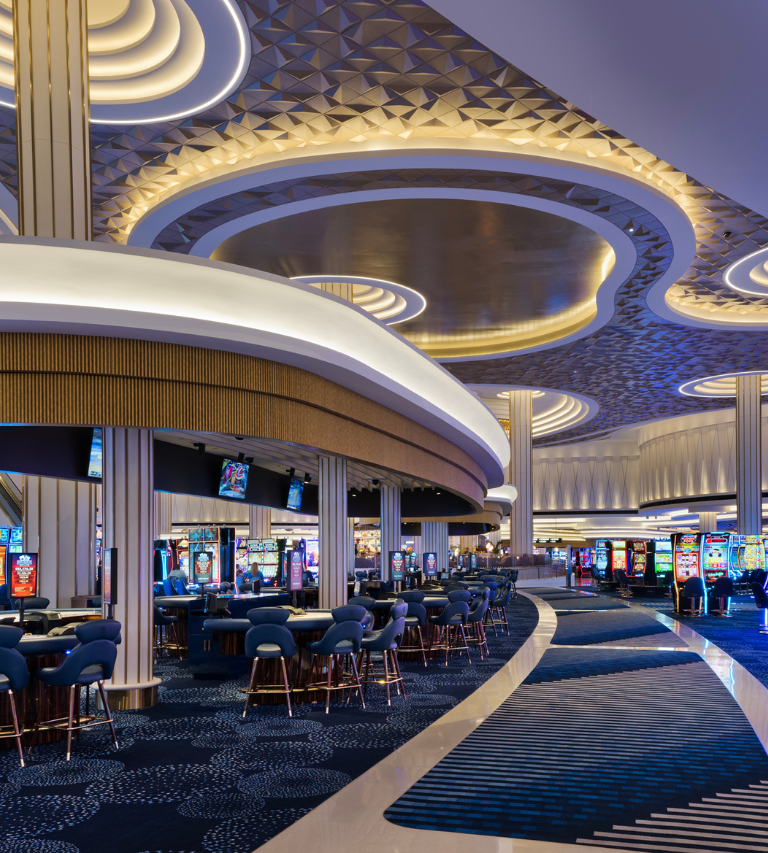
The environment in which gambling takes place significantly influences players’ psychological experiences. Casinos and online platforms are designed to create an immersive experience, with flashing lights, sounds, and enticing visuals. These elements are carefully crafted to maintain players’ engagement and enhance the thrill of risk-taking. The sensory overload can lead to a state of euphoria, making it easier for individuals to forget about the potential consequences of their actions.
Moreover, the layout of casinos is strategically planned to encourage players to stay longer and gamble more. The absence of clocks, for instance, can distort players’ perception of time, leading them to lose track of how long they’ve been playing. This environment promotes a sense of urgency and excitement, compelling players to take risks they may not consider in a more controlled setting. It creates an atmosphere where the thrill of the game overshadows the reality of financial loss.
In the digital age, online gambling platforms have taken this immersive experience to new heights. With interactive features, live dealers, and engaging graphics, online casinos aim to replicate the thrill of physical gambling environments. This accessibility can lead to increased risk-taking, as players can gamble from the comfort of their homes without the usual social restraints found in traditional settings. The convenience and excitement of online gambling can intensify the psychological thrill associated with risk-taking.
Community and social circles play a pivotal role in shaping gambling behaviors. Friends and family can significantly influence an individual’s decision to engage in gambling activities. For instance, peer pressure might encourage someone to try their luck at a casino, especially in social settings where gambling is normalized. This social acceptance can embolden individuals to take risks they might otherwise refrain from, driven by the desire to fit in or impress others.
Moreover, the rise of online gaming communities has further transformed the gambling landscape. Players can connect with others who share similar interests, exchanging tips and experiences. This sense of belonging can enhance the thrill of gambling, as players participate in collective events, tournaments, or challenges. The communal aspect of online gambling can lead to increased risk-taking, as individuals seek validation and recognition within their social circles.
Additionally, the narratives surrounding gambling successes can perpetuate risky behavior. Stories of big wins and life-changing experiences are often highlighted, making the prospect of gambling seem more appealing. This culture can create a misleading perception of the chances of winning, encouraging individuals to take risks in hopes of emulating those success stories. As a result, the allure of community influence further deepens the psychological thrill of gambling.

Royal Reels Casino embodies the excitement and psychological thrill associated with gambling, offering a vast selection of over 3,000 games ranging from slots to table games and live casino options. The platform is designed to provide an engaging experience, allowing players to immerse themselves in the thrill of risk-taking. With competitive banking speeds and efficient withdrawal times, players can focus on their gaming experience without unnecessary delays.
Moreover, Royal Reels Casino recognizes the importance of performance metrics to ensure high uptime and rapid game load times. This focus on user experience enhances the thrill of gameplay, allowing players to enjoy the psychological benefits of gambling without interruption. The generous welcome bonuses and engaging promotions add to the excitement, encouraging players to dive into the world of risk-taking.
Ultimately, Royal Reels Casino not only caters to the desire for entertainment but also provides a secure platform for individuals seeking the psychological thrill that comes with gambling. By creating an environment that fosters excitement, community, and accessibility, it becomes a destination for those eager to explore the risks and rewards of their gaming journey.
“`