
The Allure of Chance
The attraction to casino gaming often stems from the inherent thrill of uncertainty. Players are drawn to the unpredictability of outcomes, which triggers excitement and adrenaline rush. This excitement is rooted in human psychology; activities involving risk and chance stimulate the brain’s reward pathways, releasing dopamine, a neurotransmitter associated with pleasure. This neurochemical reaction explains why many find themselves returning to casinos like mr luck casino , seeking that exhilarating rush that comes with each spin of a wheel or roll of the dice.
Furthermore, the concept of “near misses” plays a significant role in the psychology of gambling. Players often experience a surge of hope and anticipation when they come close to winning, even if they fall short. This phenomenon creates a false sense of optimism and can reinforce the desire to keep playing in pursuit of that elusive victory. The idea that a win is just around the corner can become a powerful motivator, sometimes leading to extended gaming sessions despite losing streaks. The emotional rollercoaster created by these near misses keeps players engaged, continually fueling their hopes for success.
In addition to the thrill of chance, the social dynamics within a casino environment amplify the gaming experience. The atmosphere is filled with excitement, laughter, and the sounds of winning, all of which can enhance the emotional highs of gameplay. Gamblers often find camaraderie with others who share their passion for games of chance, creating a communal space where emotions run high and shared experiences forge connections. This social aspect can blur the lines between casual play and compulsive gambling, drawing individuals deeper into the gaming world and contributing to the overall allure of casino gaming.
Psychological Triggers in Game Design
Casino games are meticulously designed to tap into psychological triggers that enhance player engagement. Game developers employ various techniques, such as the use of vivid colors, enticing sounds, and rewarding animations, to create an immersive experience that captivates players. These design choices are not random; they are based on in-depth psychological research that examines how sensory experiences can influence behavior and decision-making during gameplay. For example, bright colors can evoke feelings of excitement, while soothing sounds can create a more relaxed atmosphere, influencing a player’s willingness to engage.
Moreover, the concept of variable rewards significantly impacts a player’s urge to continue playing. Unlike a fixed reward system where players know exactly what to expect, variable rewards provide occasional payouts that can be substantial. This unpredictability keeps players engaged, as they are conditioned to believe that a reward could be just one more game away. This cycle of anticipation fosters an addictive loop where players feel compelled to play longer in pursuit of the next big win. The psychological thrill of not knowing when the next payout will come can lead to prolonged gaming sessions, often blurring the lines between entertainment and addiction.

Additionally, easy access to gaming technology, such as mobile devices and online platforms, has heightened the psychological engagement with gambling. Players can now access their favorite games anytime and anywhere, increasing the likelihood of impulsive play. The convenience of digital casinos combined with engaging design elements creates an environment ripe for compulsive gambling behavior, illustrating just how powerful these psychological triggers can be in shaping gambling habits. The ability to gamble at one’s fingertips makes it easier for individuals to overlook the potential consequences of their actions.
The Role of Cognitive Dissonance
Cognitive dissonance is a psychological phenomenon that can significantly affect a gambler’s behavior. This occurs when a person’s beliefs and actions are in conflict, leading to discomfort that prompts them to rationalize their choices. For instance, a player who continues to gamble despite significant losses may convince themselves that they are due for a win or that their luck will change. This rationalization is a coping mechanism to align their actions with their self-perception as a “smart” or “strategic” player, allowing them to maintain a sense of control over their circumstances, even when evidence suggests otherwise.
Additionally, cognitive dissonance can lead to the phenomenon known as “loss chasing.” After incurring losses, many players feel compelled to continue gambling in an attempt to recoup their money. This behavior often escalates, as players disregard their initial strategy and succumb to emotional decision-making. The pressure to break even can cloud judgment, making it difficult for individuals to recognize when they should stop playing, resulting in a potentially harmful cycle of gambling. This pattern not only reinforces the gambler’s beliefs but also increases their financial risk, as they chase losses instead of making rational decisions.
Understanding the concept of cognitive dissonance highlights the importance of self-awareness in gambling behavior. Players who can recognize when they are rationalizing loss may be better equipped to set boundaries and engage in responsible gaming practices. By acknowledging the psychological mechanisms at play, individuals can take proactive steps to mitigate the allure of gaming and make informed decisions about their gambling habits. This self-awareness is crucial for fostering a healthy relationship with gambling and ensuring that it remains an enjoyable pastime rather than a destructive habit.
Emotional Regulation and Gambling
The connection between emotional regulation and gambling is intricate, as people often turn to casinos as a form of escape. Many individuals use gaming as a way to manage stress, anxiety, or depression, seeking solace in the distraction that gambling provides. This emotional regulation strategy can lead players to view gambling as a coping mechanism, which can be problematic if their gambling habits intensify over time. The reliance on gambling for emotional relief can create a cycle where individuals feel compelled to gamble to cope with negative feelings, leading to potentially harmful consequences.
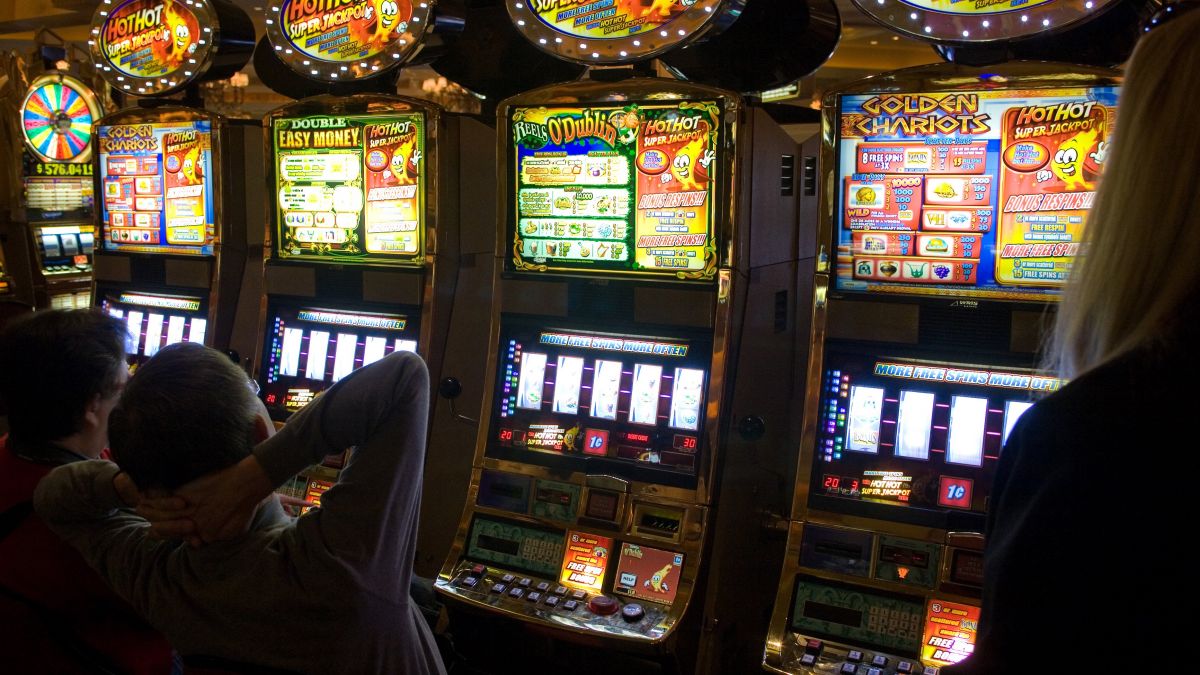
Moreover, research indicates that people who experience difficulty with emotional regulation are more vulnerable to developing gambling problems. These individuals may find themselves drawn to the instant gratification that comes with wins, using gambling as a way to feel better in moments of distress. This reliance on gambling for emotional relief can create a dependency, where the individual feels they cannot cope without it, further entrenching them in a potentially harmful cycle. As their gambling escalates, so too does their emotional turmoil, creating a vicious cycle that is hard to break.
Understanding the interplay between emotions and gambling is crucial for individuals looking to engage in responsible gaming. Recognizing triggers and developing healthier coping mechanisms can help mitigate the emotional highs and lows associated with gambling. By addressing the underlying emotional needs that lead individuals to the gaming table, they can work towards developing a balanced approach to entertainment and leisure, minimizing the risk of problem gambling behaviors. Empowering individuals with the tools to manage their emotions can lead to healthier gaming habits and a more fulfilling life overall.
Choosing Responsible Gaming Practices
In light of the psychological factors influencing gambling behavior, it is essential for players to adopt responsible gaming practices. This involves setting boundaries around time and money spent on gaming, as well as being aware of the signs of problematic behavior. Understanding personal limits can empower players to enjoy casino gaming as a form of entertainment without falling into the traps of addiction. By establishing clear guidelines, players can engage in gaming while minimizing the risks associated with excessive gambling.
Furthermore, many casinos and gaming establishments are increasingly promoting responsible gaming initiatives aimed at educating players about the risks of excessive gambling. These programs provide resources and support for individuals who may be struggling with their gaming habits, emphasizing the importance of self-awareness and accountability. By fostering a culture of responsibility, the industry can help mitigate some of the negative impacts associated with gambling. This collaborative effort not only benefits players but also contributes to a healthier gaming environment overall.
Ultimately, a healthy relationship with casino gaming is achievable when players remain mindful of their motivations and behaviors. Engaging in regular self-reflection and seeking support when needed can help maintain a balance between enjoyment and responsibility. By recognizing the psychological elements at play and committing to responsible practices, individuals can enhance their gaming experiences while safeguarding their well-being. The journey towards responsible gaming is one of awareness and intention, paving the way for a more satisfying and enjoyable gaming experience.